NEWS
VR

Introduction

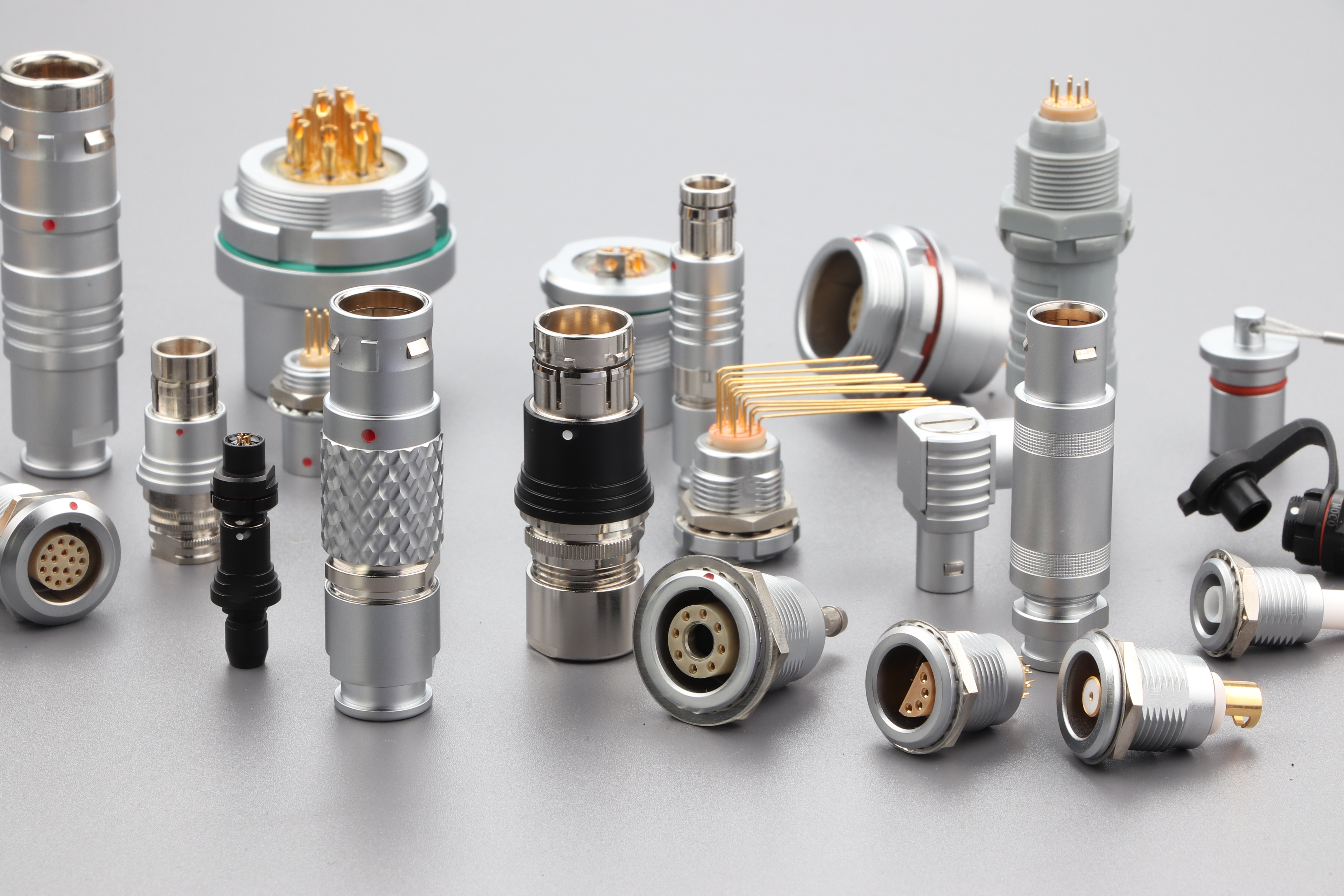
In the age of artificial intelligence (AI), the demand for robust, high-performance connectivity solutions has surged. Push-pull connectors, known for their reliability, durability, and ease of use, are emerging as vital components in AI-driven systems. This article explores their transformative applications across AI-related fields, highlighting how they address the challenges of modern technology.


AI-Powered Industrial Automatio

AI-driven industrial robots and automated production lines require seamless communication between sensors, controllers, and actuators. Push-pull self-latching connectors ensure stable electrical and signal transmission even in high-vibration environments, reducing downtime and enhancing operational efficiency. Their quick-connect/disconnect design simplifies maintenance, a critical feature for factories adopting AI-enabled predictive maintenance systems 

Key Applications:

Robotic arms in smart manufacturing.

IoT-enabled sensor networks for real-time data collection.
Autonomous Vehicles and Drones

Autonomous vehicles and drones rely on AI algorithms to process vast amounts of data from LiDAR, cameras, and radar. Push-pull connectors provide secure, vibration-resistant connections for these sensors, ensuring uninterrupted data flow. Their IP-rated waterproof and dustproof variants are ideal for outdoor and harsh environments, such as self-driving cars and delivery drones

Use Cases:

Sensor arrays in autonomous driving systems.

Power and data interfaces for aerial drones.
 AI Data Centers and High-Speed Computing

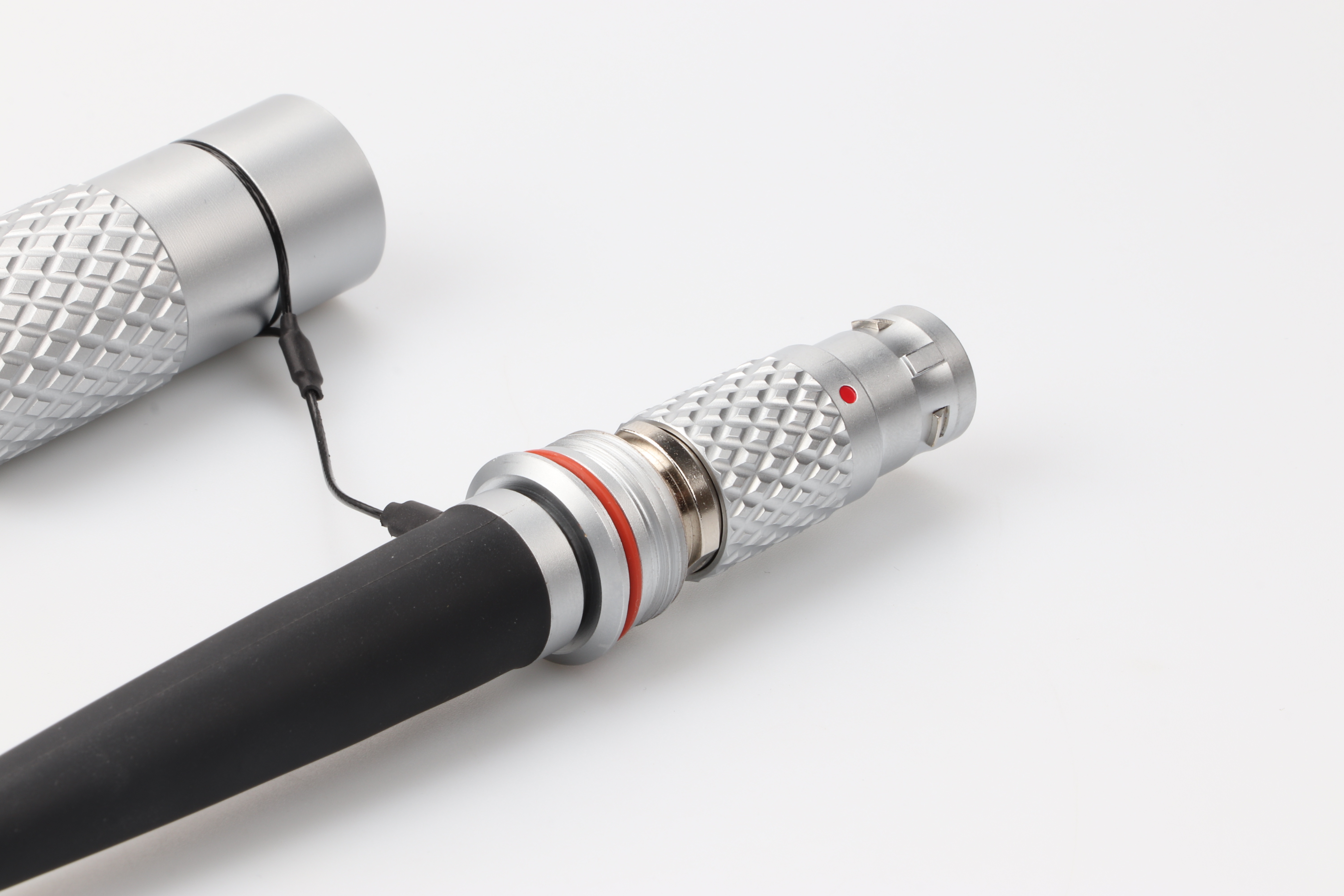
AI servers and data centers demand ultra-reliable connectors to handle high-speed data transmission. Push-pull self-latching connectors support high-bandwidth applications, such as AI model training and cloud computing. Their EMI shielding properties protect sensitive signals from interference, crucial for maintaining data integrity in hyperscale AI infrastructure

Innovation Spotlight:

Integration with high-speed copper cables for AI server clusters.

Thermal management in GPU/CPU cooling systems.
      

Healthcare and AI-Driven Medical Devices

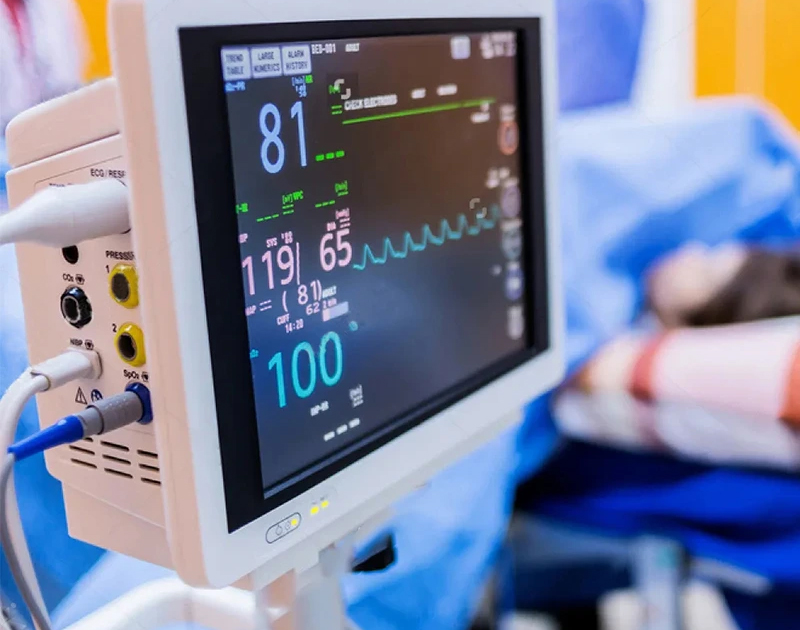
AI-powered medical devices, such as MRI machines and robotic surgical systems, depend on connectors that ensure precision and safety. These connectors offer secure locking mechanisms to prevent accidental disconnections during critical procedures. Their biocompatible materials and sterilization resistance make them suitable for operating rooms and diagnostic equipment

Examples:

Neural interface devices for AI-assisted surgeries.

Wearable health monitors with real-time AI analytics.

               

Smart Infrastructure and IoT Networks

Smart cities and IoT ecosystems leverage AI to optimize energy use and traffic management. Push-pull connectors enable reliable connections in smart grids, surveillance systems, and 5G base stations. Their compact design supports high-density installations, essential for urban AI deployments

Applications:

Edge computing nodes in smart grids.

Communication modules for AI-enhanced surveillance cameras.


Conclusion 

As AI continues to reshape industries, push-pull self-latching connectors are proving indispensable. From enabling precision in medical robotics to ensuring robustness in autonomous systems, their adaptability and performance align perfectly with the demands of AI-driven innovation. As technology evolves, these connectors will play an even greater role in bridging the gap between AI’s potential and real-world applications.


Basic Information
  • Year Established
    --
  • Business Type
    --
  • Country / Region
    --
  • Main Industry
    --
  • Main Products
    --
  • Enterprise Legal Person
    --
  • Total Employees
    --
  • Annual Output Value
    --
  • Export Market
    --
  • Cooperated Customers
    --

Send your inquiry

Attachment:
    Choose a different language
    English
    Türkçe
    हिन्दी
    Gaeilgenah
    русский
    Português
    한국어
    日本語
    italiano
    français
    Español
    Deutsch
    العربية
    Polski
    Nederlands
    Latin
    עִברִית
    Current language:English