


Push-Pull Connectors: A Solution to Accidental Disconnections1
What’s the true cost of an accidental disconnection? Think about the time and money lost when a critical system fails. For many of us, it’s not just an inconvenience—it's a serious problem that can disrupt operations and compromise safety. We've all been there, and we know how frustrating it is.
This guide examines how push-pull connectors provide a secure and straightforward solution. You'll learn how to dramatically reduce the risk of accidental disconnects and keep your systems running smoothly.
How Push-Pull Locks Work
Push-pull connectors seem simple, but their locking mechanism is a tiny marvel of engineering. Unlike a standard friction fit or screw-on connector, this system doesn't rely on constant pressure or tedious twisting. Instead, it uses a precise, self-latching mechanism that creates a secure and instant connection. You simply push the connector in, and a set of internal latches grab hold of the receptacle. You hear a satisfying click, and you know it's locked.
Releasing the connection is just as easy. You don't pull on the cable because that does nothing. Instead, you grab the outer shell of the connector and pull that back. This action retracts the internal latches, releasing the grip and letting you remove the plug smoothly.
It’s a fast, one-handed operation that makes these connectors ideal for applications where quick connections and disconnections are a must. Our team at MOCO Connectors has spent years refining this design.
● Keying: Many push-pull connectors have a built-in keying system. This means the connector and receptacle have specific notches or grooves that have to line up. It prevents you from accidentally plugging the wrong cable into the wrong port, which is a huge deal in complex setups.
● Acoustic Feedback: That "click" you hear isn't an accident. It's an intentional design element that gives you immediate, audible confirmation that the connection is secure. You get instant feedback without even looking at the connection.
● Durability: The mechanism is designed for a high number of mating cycles. You can connect and disconnect these thousands of times without the lock wearing out or becoming less reliable. We build our connectors to last.
Benefits In High-Stakes Environments
In places where failure is not an option, every component has to be perfect. Think about a surgical room, a military vehicle, or a piece of aerospace equipment. A loose connection can mean the difference between mission success and complete disaster. Push-pull connectors are the gold standard here for several reasons. They give you peace of mind and true reliability.
Our push pull connectors are built to withstand the harshest conditions. They resist vibration and shock, a serious problem that can make other connectors come loose over time. We're talking about things like the constant rumble of a train, the shock of a sudden impact, or the powerful vibrations from a machine in a factory. A secure connection is non-negotiable in these situations.
● Speed and Security: The instant locking mechanism lets you connect and disconnect with a single, fluid motion. This is critical when you need to act fast, like during an emergency. There's no fumbling with threads or screws.
● Space Savings: Because you don't need to twist or turn the connectors, you can install them in very tight spaces. This is a game-changer for compact devices and crowded control panels where every millimeter counts.
● User-Friendly Design: You don't need extensive training to use these connectors correctly. The click-and-lock system is intuitive, which reduces human error—a major cause of equipment failure. This is especially important for field technicians who need to work quickly and accurately.
● Sealing: Many models are designed to be sealed against dust, water, and other contaminants. This helps protect the internal components, ensuring long-term performance and durability in dirty or wet environments. You can count on them to perform, regardless of the weather.
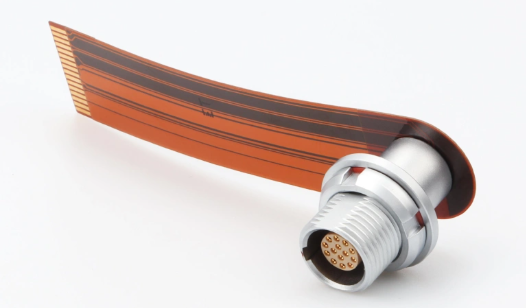
Picking The Right Connector
Choosing the right push-pull connector is a lot like choosing the right tool for a job. You wouldn't use a wrench to hammer a nail, and you shouldn't pick a connector without considering a few key factors. The wrong choice can lead to wasted time and money, or worse, an unreliable system. You need to think about your specific needs and how the connector will perform in its environment.
Here are a few things to keep in mind when you're making a decision. The specifics will vary, but these principles hold true no matter what your project is.
● Size and Density: How many pins do you need? Do you have limited space on your panel? You can find connectors with a wide range of pin counts and shell sizes. Some are designed for high-density applications, fitting a surprising number of contacts into a small footprint.
● Environmental Ratings: Is your equipment exposed to moisture, dust, or extreme temperatures? Look for push pull connectors with an IP (Ingress Protection) rating. A rating like IP68 means it's completely protected from dust and can be submerged in water. This is crucial for outdoor or industrial use.
● Materials: The material of the connector shell matters. Stainless steel is rugged and corrosion-resistant, which is great for medical or food processing environments. A plastic housing can be a good, lightweight option when you don't need a heavy-duty solution.
● Keying and Color Coding: We mentioned keying before, but it's worth a second look. If you have multiple connectors close together, a good keying system prevents mis-mating. You can also use color-coded plugs to make it easy for technicians to find the right connection without any guesswork.
Installing And Maintaining Connectors
Getting your push-pull connectors right from the start saves you a lot of headaches down the road. It's not a complicated process, but following the right steps ensures a reliable and long-lasting connection. Think of it like putting together a piece of furniture—skipping a step can make the whole thing wobbly. We want to show you how to get it done right the first time.
Installation is a two-part process. First, you prepare the cable and the connector parts. Then, you assemble them with care.
● Cable Prep: Start by stripping the outer jacket of your cable to the specified length. Be precise here. Too short, and you won’t have enough wire to work with. Too long, and you risk a short circuit. Then, strip the insulation from each individual wire. A good wire stripper is your best friend for this.
● Soldering or Crimping: Most circular push pull connectors use either a solder or crimp termination. Solder connections are great for a super-strong electrical bond, but they take a steady hand. Crimping is faster and more consistent. Just make sure you use the correct crimp tool and dies for your specific connector.
● Assembly: After you terminate the wires, you insert them into the connector housing. Many of our models have an alignment mark to help you line things up perfectly. Once the wires are in place, you secure the back nut or strain relief. This part is critical—it protects the connections from any pulling or bending.
Where Push-Pull Connectors Get Used
Push-pull connectors are everywhere, even if you don't see them. They're the silent heroes in countless industries, quietly making sure things stay connected when it matters most. Their unique combination of speed, reliability, and durability makes them the go-to choice for applications that simply cannot fail. When you need a connection to be secure and fast, there's no substitute.
Here's a look at some of the places where these connectors truly shine:
● Medical Equipment: In a hospital, a disconnected cable on a patient monitor or a surgical robot can be a matter of life or death. Push-pull connectors provide a quick, simple way for medical staff to connect and disconnect instruments without worrying about a loose link. They are also easy to clean and can handle repeated sterilization.
● Aerospace and Defense: A commercial aircraft or military drone experiences intense vibration, shock, and temperature swings. These push pull connector connectors are designed to stand up to that abuse. They secure critical data and power lines for avionics, communication systems, and flight controls, where a single failure could be catastrophic.
● Industrial Automation: On a factory floor, downtime costs a lot of money. Automated machinery, robotics, and sensors need connections that are reliable and easy to service. Push-pull connectors let technicians quickly swap out components on an assembly line, reducing maintenance time and keeping production humming along.
● Test and Measurement: When you're running a sensitive scientific experiment or testing a new piece of technology, you need a connection that won't introduce noise or signal loss. These connectors provide a consistent, low-impedance connection, ensuring the integrity of your data and the accuracy of your measurements.
Conclusion
Choosing the right connector for a high-stakes environment is more than just a preference; it's a decision that can directly affect safety, performance, and cost. Push-pull connectors give you a secure, quick, and reliable solution to a common problem—accidental disconnections. Their design prevents human error and stands up to harsh conditions, which makes them an ideal choice for everything from medical devices to industrial robots.
When it comes to longevity, push-pull connectors are rated for thousands of mating cycles. Most are rated for 2,000 to 5,000 mating cycles, and some high-performance models are even rated for up to 50,000. But the most common reason they fail isn't the locking mechanism itself. It's usually due to improper installation or physical damage from rough handling. By choosing a high-quality connector and following proper installation steps, you can ensure a reliable connection for a very long time.
Ready to find the right connector for your project? Check out our complete product line and find a solution that works for you.

Shenzhen MOCO Interconnect Co., Ltd.
Become a world-class industrial connector supplier & manufacturer in China, MOCO Connectors providing reliable and convenient connector solutions for global customers
PRODUCTS
QUICK LINKS
If you have any question, please contact MOCO connectors.
TEL: +86 -134 1096 6347
WhatsApp: 86-13686431391
EMAIL: eric@mocosz.com
2/F 1st Block,XinHao Industrial Park,N.O 21 XinWei Rd,XinZhuang Community,MaTian, GuangMing District,Shenzhen,P.R.C